Start here · open to everyone
Study
Writing challenges patience — these books are read, re-read, argued with, and read again ten years later. Everything else here was taken from them.
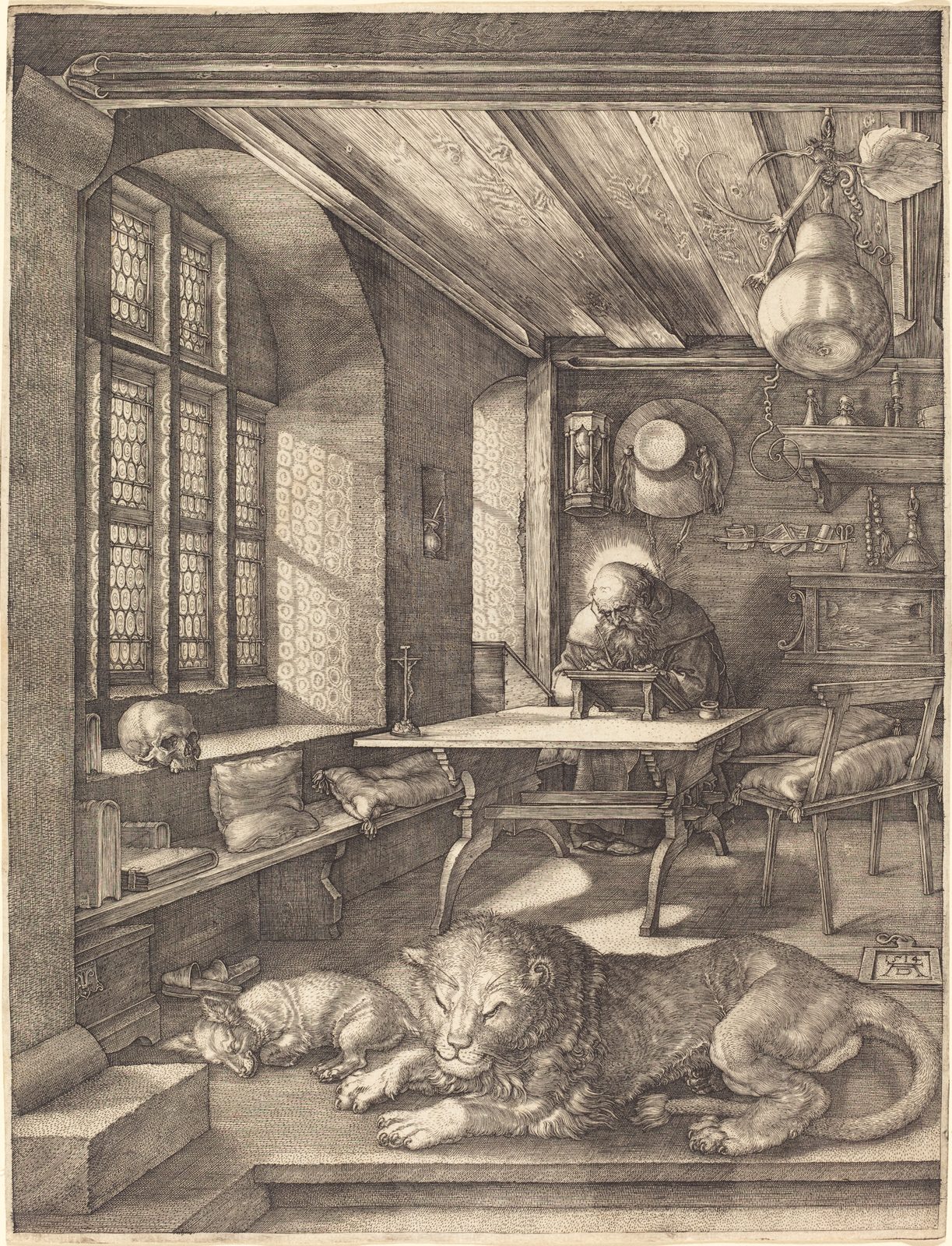

Writing challenges patience. The craft resists being learned on the schedule you’d like to learn it on, and the single most common way a promising writer fails is by mistaking one pass through the material for knowing it.
The shelf
Everything else on this site was taken from these. Not “inspired by.” Taken. Where I’ve reshaped an idea I say so; where I’m repeating someone I name them. Open any cover to see exactly what I took from it and how to get it legally, then use the arrows to walk the rest of the shelf.
Other references
The shelf above is the core — the fourteen I’d hand you first. These are the rest of the debts: books that shaped a belief here without earning a tile, grouped by what they’re good for. Every one of them links to a legal way to get it, and most are free with a library card.
Structure
What a story is and how its pieces lock together.
Structuring Your Novel
The cleanest map of plot points and pinch points — the skeleton under the Story Circle tool's overlays, and the source of the scene/sequel cycle.
The Writer's Journey
Campbell's monomyth translated into a working screenwriter's toolkit.
Story
The heavyweight on scene design, gaps of expectation, and the inciting incident.
The Story Grid
An editor's spreadsheet-brain applied to story: obligatory scenes, value shifts, genre conventions.
The Anatomy of Story
Twenty-two steps, moral argument, character webs — structure as meaning, not formula.
Romancing the Beat
The romance arc beat by beat — one of the seven overlays in the Story Circle tool.
Character
Making people readers believe, care about, and invest in.
The Emotion Thesaurus
Physical tells for every emotion — the antidote to 'she felt sad.'
The Positive Trait Thesaurus
Attribute-by-attribute character construction, with the flaws each strength implies.
Writing for Emotional Impact
How scenes make readers feel — anticipation, surprise, and emotional payoff mechanics.
Writing the Breakout Novel
Maass reads slush for a living and writes about what separates the pile from the sale. His work on emotional delivery is the sharpest available.
Prose & Point of View
The sentence level, where trust is won or lost.
The Art of Fiction
The vivid and continuous dream — why immersion breaks and how sentences guard it.
The Power of Point of View
The deepest treatment of POV choice as the immersion decision — narration, perception, introspection, and voice as four separate dials.
Process & Craft
How the work actually gets done.
Effective Editing
The four levels of editing, in the order a professional actually does them. The single most practically useful thing I've found on revision.
The Art of War for Writers
Tactics, discipline, and morale for the long campaign of finishing books.
On Directing Film
The knife of three parts lives here — cut to the essential, let juxtaposition do the work.
Poetics
Twenty-three centuries old and still the sharpest definition of plot as cause and effect.
Truth in Comedy
The improv tradition's construction manual: base reality, the first unusual thing, justification, then heightening into the game of the scene.
Laughter: An Essay on the Meaning of the Comic
1900, and still the sharpest account of why rigidity is funny — 'something mechanical encrusted on something living.' Public domain, free in full.
The Act of Creation
1964. A joke, a scientific discovery and a poetic image are the same move — perceiving one thing in two incompatible frames at once — and only the emotional climate tells them apart. Koestler calls it bisociation and spends 750 pages proving it.
Free & Ongoing
No purchase required. Start tonight.
Writing Excuses
Fifteen minutes a week on craft, free for well over a decade.
Read it. Then read it again.
Here is the thing nobody tells you at the start: these books do not finish. You do not read Writing Tools and then own the fifty tools. You read it, use four of them badly, forget the rest, write a book, get a critique that hurts, go back, and discover that tool #34 was describing your exact problem in plain English the whole time — you just had no injury for it to treat yet.
Read, read, read. Read everything — trash, classics, good and bad, and see how they do it. Just like a carpenter who works as an apprentice and studies the master.


The same page changes because you changed. Step through what one book gives you at four different distances from your first read.
Add this question to
Loading your meetings…
Why does a craft book read differently the second time, years later?
This is the argument for patience in one line: the book didn't improve, your capacity to be taught by it did. Which means the rate you can learn craft is capped by how much you've written — and no amount of reading gets around that.
Read it with someone
Solitary reading gets you about half of what’s here. The other half only shows up in argument — which is why every serious treatment of revision on this shelf lands on the same recommendation.
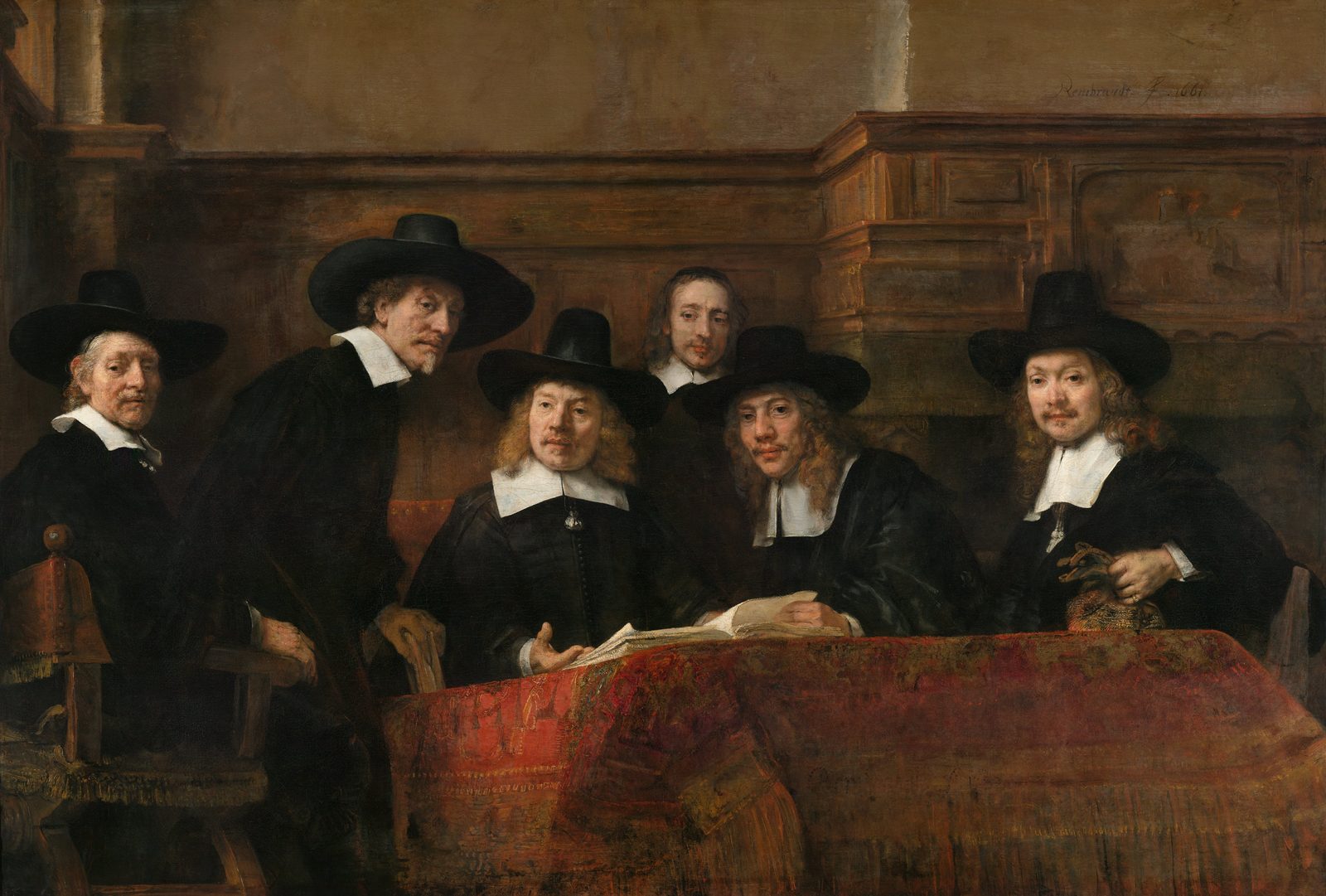
Molly McCowan’s version is the most concrete: join a critique group of three to five writers, ideally spanning genres, at roughly your own level. Mixed genres because it lowers the guard about idea-stealing. Similar level because the moment one person is obviously the teacher, everyone else stops thinking.
_van_het_Amsterdamse_lakenbereidersgilde_-_Google_Art_Project.jpg)
Roy Peter Clark’s #48 is the same instruction from the other direction: build an editing support group — friends, colleagues, experts, coaches — and treat their attention as part of your craft, not an imposition on it.
— per Molly McCowan, Effective Editing — per Roy Peter Clark, Writing Tools #48Add this question to
Loading your meetings…
McCowan recommends a critique group that mixes genres. What's the argument for mixing rather than specializing?
The deeper point: a critique group's output is limited by how honest people feel able to be. Most of the design choices — small, mixed, level-matched — exist to protect honesty.
Why you’d commit to this
The patience this demands only makes sense for one kind of person, and it isn’t the person who wants to have written.
So there you are. A free-lance writer! Oh pitiable wretch! Oh miserable fool! Of all the business you could have gone into … you insist on going into the business of cash and carry prose. Well, you know best.
Bell quotes that approvingly, and then spends a book on tactics anyway, because he knows the audience already made the decision the joke is mocking. That’s the honest situation. Nobody reads fourteen books on craft, joins a critique group, and re-reads the same chapter in a decade because it’s a sensible use of a life. You do it because the alternative — not doing it — turns out not to be available to you.
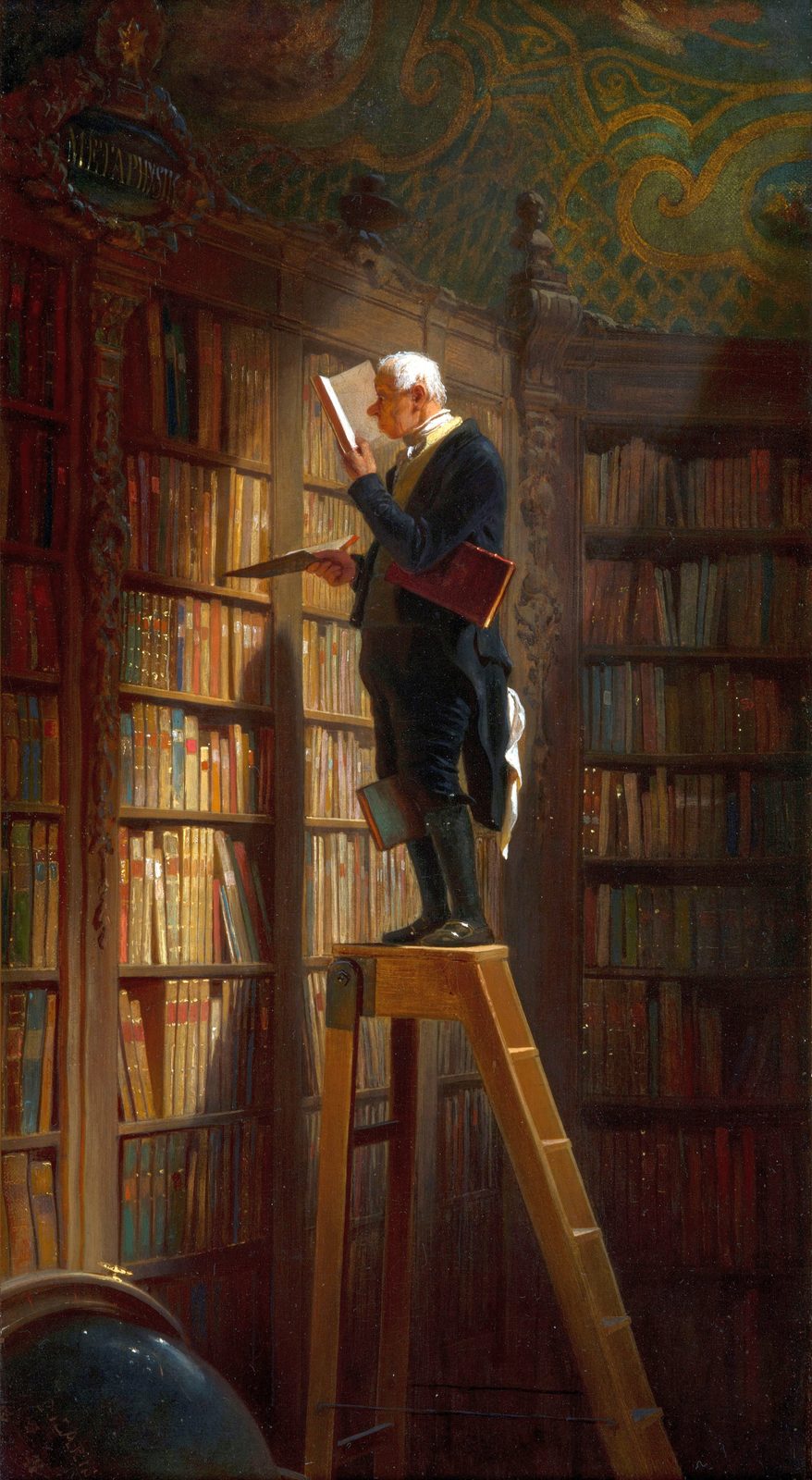

If that describes you, the reading list above isn’t a burden. It’s a relief: proof that the thing you can’t stop doing has a body of knowledge attached, and that you can get all of it, legally, for the price of a library card and about ten years.
Add this question to
Loading your meetings…
What's the condition attached to this course?
Every tile on the shelf carries a Libby link, a Hoopla link, and a find-a-library link before it carries a buy link — because the free-and-legal route is the one most people don't realize they already have.
Where you are
Not startedAnswer the checks above whenever you like, and retry any of them.
Kept in this browser only, unless you sign in.
Signing in carries this — and everything else you've done here — onto any device, and keeps it if you clear this browser.
Sources
- Roy Peter Clark — Writing Tools & Murder Your Darlings
- William Zinsser — On Writing Well
- William Strunk Jr. & E.B. White — The Elements of Style
- Sol Stein — Stein on Writing
- Matt Bird — The Secrets of Story
- Blake Snyder — Save the Cat!
- Lisa Cron — Story Genius
- K.M. Weiland — Creating Character Arcs
- James Scott Bell — How to Write Best-Selling Fiction (The Great Courses)
- James Hynes — Writing Great Fiction (The Great Courses)
- Brandon Sanderson — BYU creative writing lectures
- Marc McCutcheon — Roget's Super Thesaurus
- Cheryl Glenn & Loretta Gray — The Hodges Harbrace Handbook